Clay casein trowel compound Claycasein. Seamless. Natural. Warm.
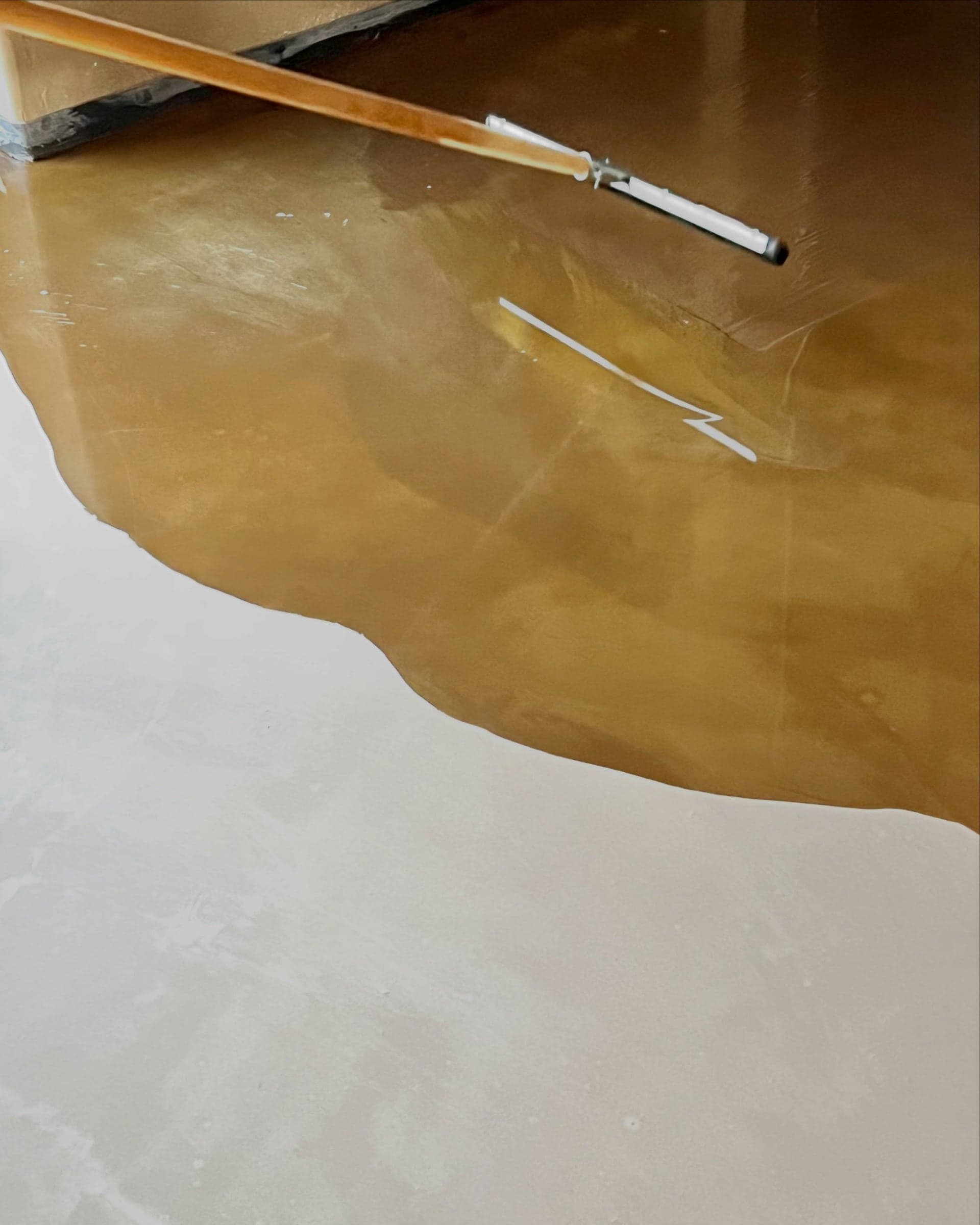
Claycasein is our clay casein trowel compound for seamless surfaces on floors, walls and furniture. Natural and renewable raw materials, no cement and no plastics, made in our manufactory in the Zollernalb district of Germany. The alternative to plastic-modified microcement, outside the direct wet area.
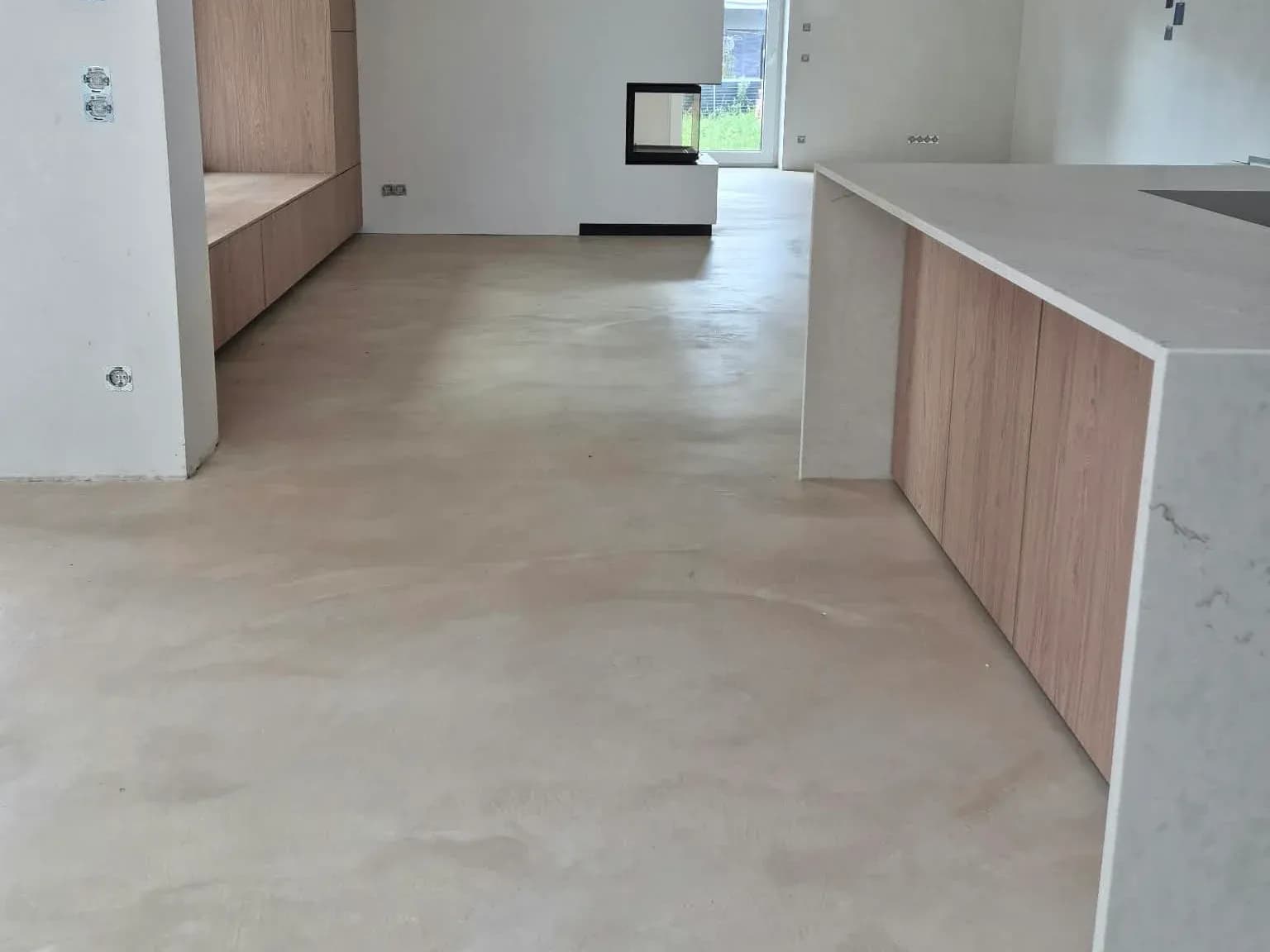
What is in the clay casein trowel compound
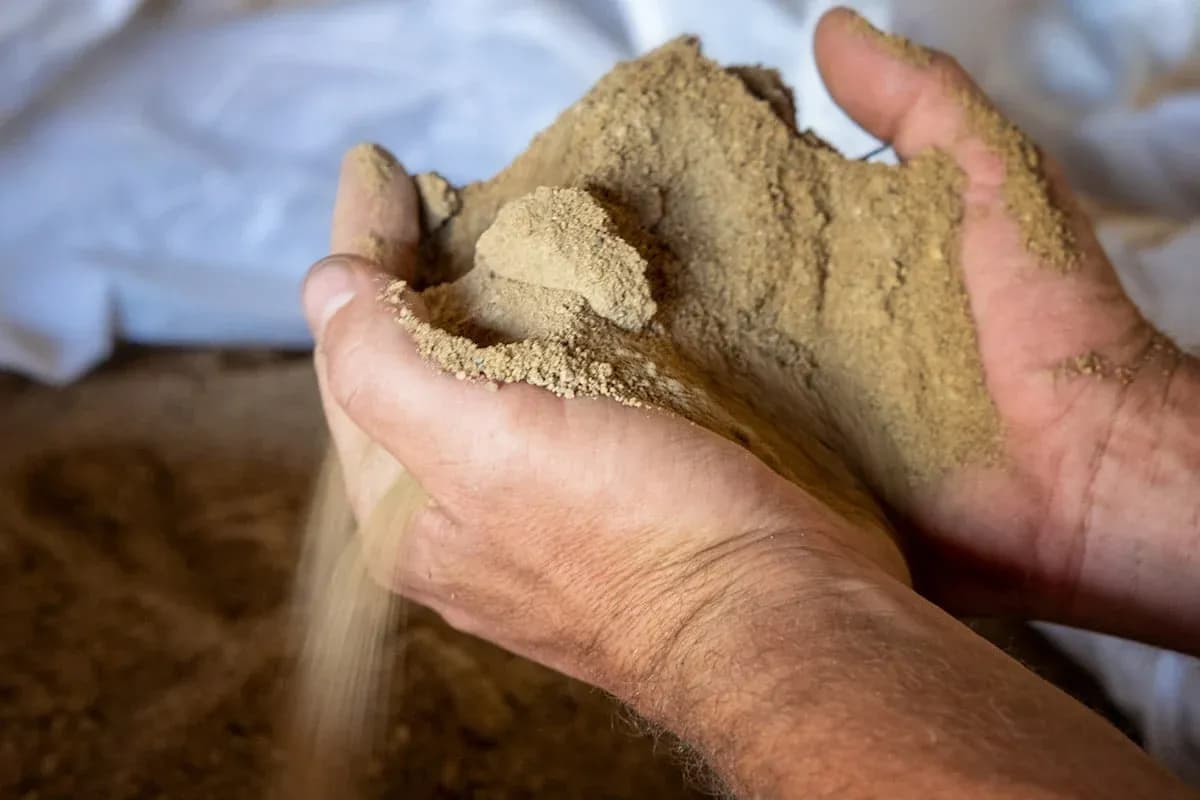
Dry material to mix with water. Clay, quartz and mineral aggregates, plus casein (milk protein), hemp fibres and a small amount of building lime. The base colour is clay brown, and you tint the Base with up to 10 % earth and mineral pigments.
- No cement, no plastics, no PU sealant
Natural and renewable raw materials. A natural product, not certified, with a lively cloudy character. Every trowelled surface is unique.
- Adheres to many substrates
Already applied on screed, concrete, wood, Fermacell, plasterboard, gypsum fibre boards, plaster, rammed earth, clay screed and, after priming, even on plastic veneer. Low-temperature underfloor heating: yes.
- Wipeable thanks to hard oil and wax
Impregnated with hard oil, carnauba wax emulsion and hard wax. Hard-wearing and scratch-resistant like an oiled wooden surface.
- Sold in 3 kg, 5 kg and 10 kg
Dry material, water addition max. 360 ml per kg, depending on the pigment. For 3 coats, count on about 1,350 g per m². Keeps for at least 1 year.
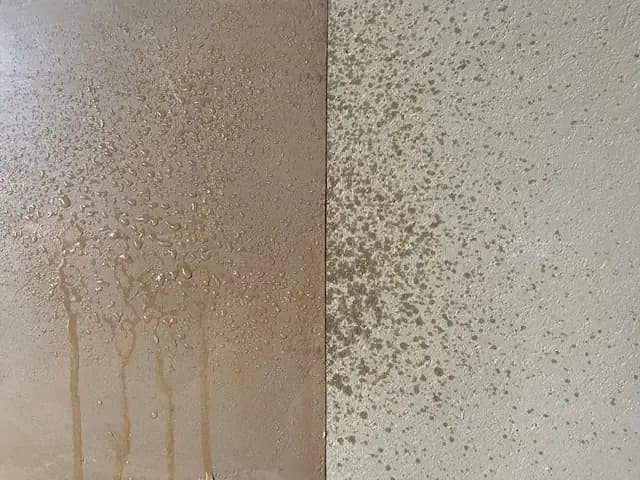
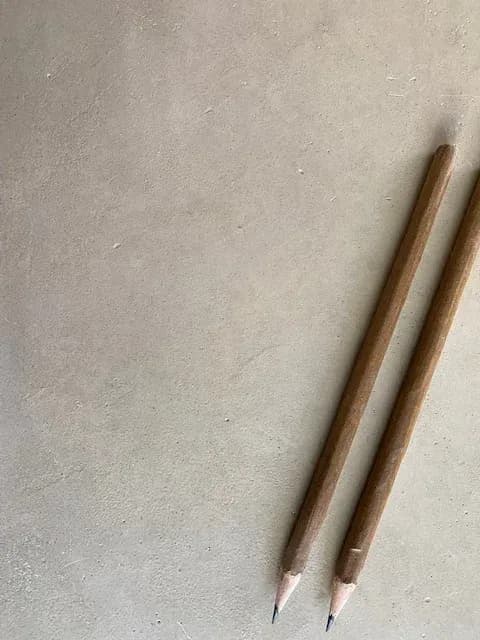
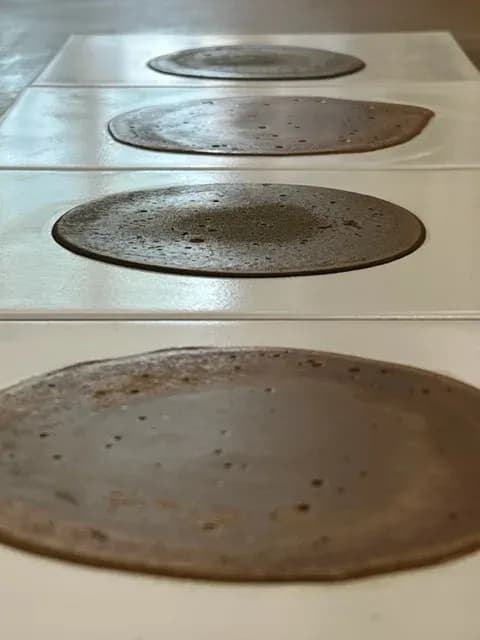
Test values determined by HAWK Hildesheim
Measured on Claycasein Base, the base material without pigment, hard oil or hard wax. Claycasein is a natural product made from 100 % natural raw materials.
Flexural and compressive strengthHigh flexural strength means: the material takes up small stresses from the substrate without cracking. The compressive strength almost reaches the hardness of a standard cement levelling compound. That is why Claycasein is suitable for floors, unlike ordinary clay plaster.
Adhesion, shrinkage, abrasionThe adhesive tensile strength of 2.5 N/mm² is far above the minimum values for floor levelling compounds (often 1.0 to 1.5 N/mm²), an extremely good value. The shrinkage is normal to good for clay, which is why we trowel several thin coats of about 1 mm. The low abrasion means: no dusty surface as with pure clay.
Questions about the clay casein trowel compound
Our answers are based on our own trials and our customers projects. All questions on the FAQ page.
Is Claycasein certified or used in public buildings?
Claycasein is a natural product made from 100 % natural raw materials. You will find the test values from HAWK Hildesheim in the data sheet. There has been no project in a public building so far, so we cannot say anything about that yet.
Does Claycasein work in the bathroom?
In the bathroom only to a limited extent, in the direct wet area not at all. Outside of it Claycasein works well, for example on the wall behind the washbasin. Do not connect it directly to the shower tray: Claycasein must not stay damp permanently. In entrance areas it works with a dirt-trapping zone. Frequent standing water leaves marks, as on a wooden floor.
Which colours are there, is there a colour chart?
We do not have a colour chart. The colours emerge from project to project, many as our customers own creations. The base colour is clay brown, and the Base can be tinted with up to 10 % earth and mineral pigments. What has already been realised you will see on the Colours page. Depending on substrate and application the shades can deviate, so always lay a sample under on-site conditions.
Can I apply Claycasein without being a trained tradesperson?
Yes. You can do this. Many projects were trowelled by the owners themselves, without any craft training. What you need: motivation and calm. How it works: application guide step by step. During application we are happy to support you via WhatsApp. Through direct contact we keep improving the technique and the application guide. You will find some customer projects on Instagram under #clubclaycasein, maybe one near you to have a look at.
Touch it first, then decide
The sample box holds everything for your first surface. Or ask us whether Claycasein suits your substrate.